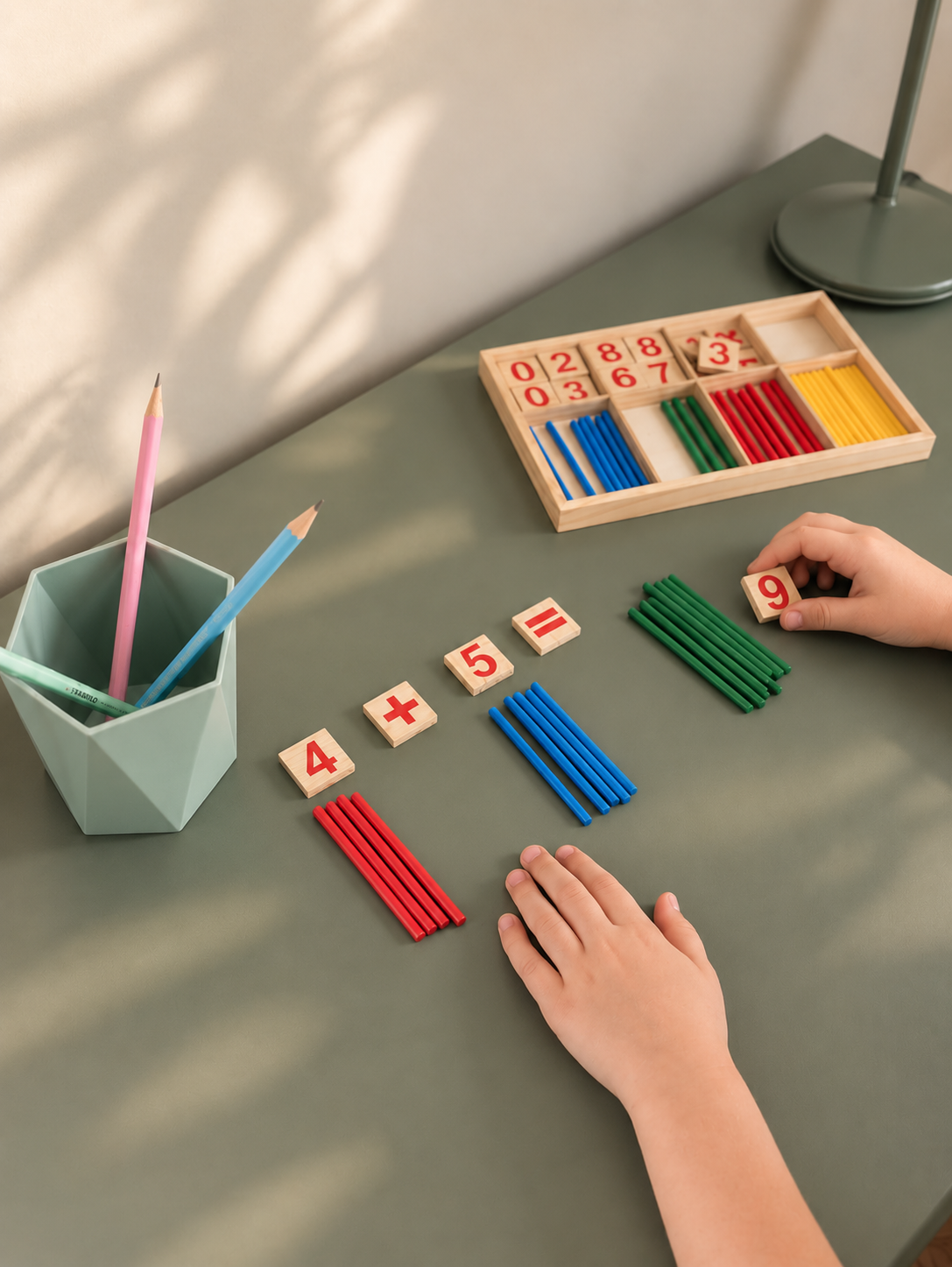
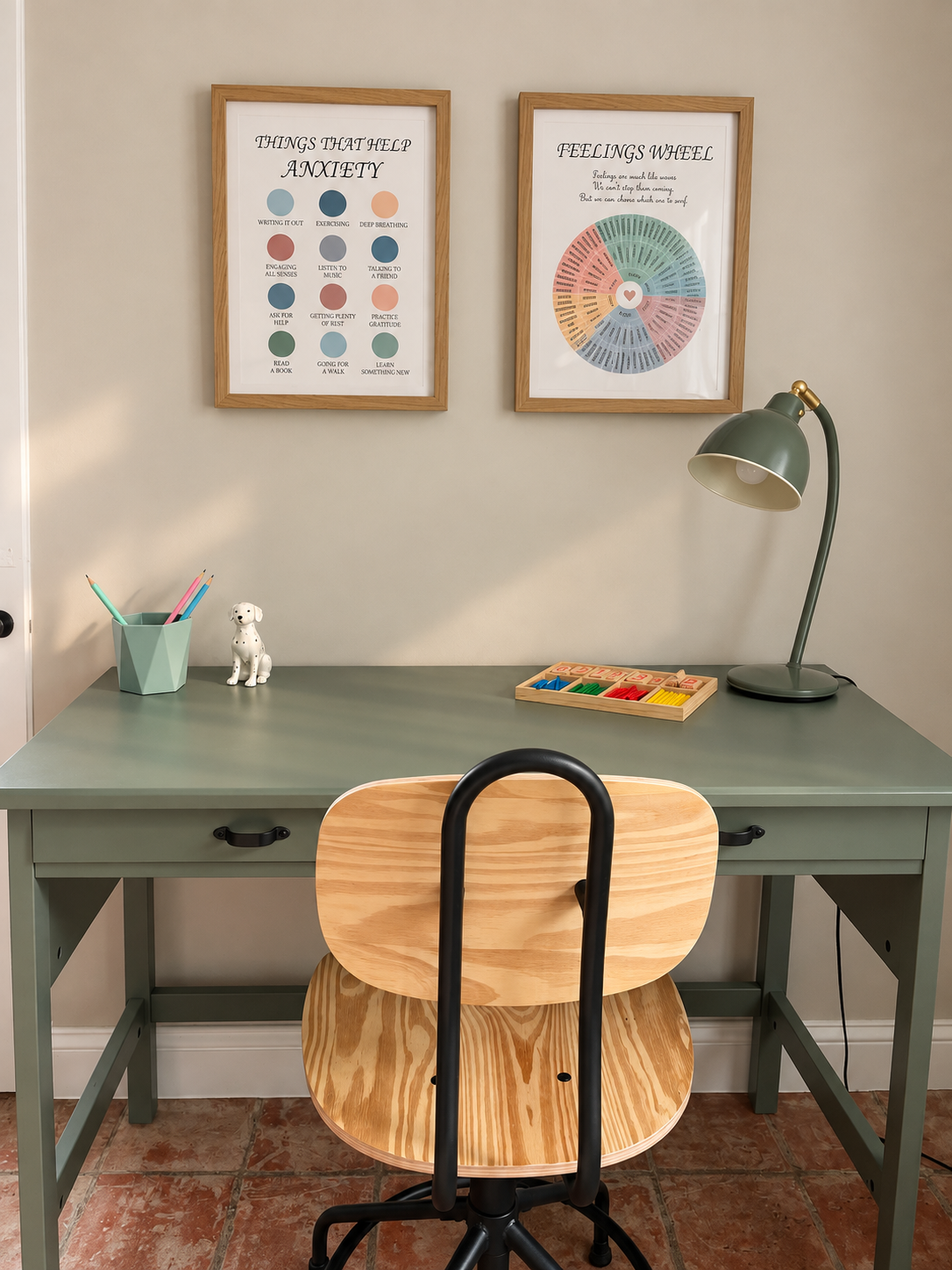
Psychological assessment is a process of developing a detailed understanding of a child or young person’s strengths and difficulties, and the factors that may be affecting their learning, development, behaviour or emotional wellbeing.
An assessment may be helpful when there are questions about a child’s neurodevelopment, including ADHD or autism, or difficulties relating to learning, cognitive or language abilities, attention and executive functioning, emotional wellbeing or behaviour. It can also be helpful when a child is struggling and the reasons are not yet clear.
Assessment brings together information from different sources to build a clear picture of the individual child, answer the questions that have led to the assessment and identify what may help. The findings are used to develop practical recommendations for home, school and everyday life.
Assessment & Diagnosis
Understanding strengths, identifying challenges
-
Exploring a child’s developmental profile where there are questions about neurodevelopmental differences, including assessment for ADHD and autism where indicated. This may involve consideration of attention and executive functioning, social communication and interaction, behaviour, self-regulation and developmental history.
-
Assessment of reading, writing, spelling and mathematics, including investigation of dyslexia and other specific learning difficulties. Consideration of school attainment and factors that may create barriers to learning and participation.
-
Understanding a child’s cognitive profile, including areas such as verbal and visual reasoning, working memory and processing speed.
-
Exploring language abilities where difficulties with understanding, expression or the relationship between language and learning may be contributing to a child’s difficulties.
-
Understanding emotional wellbeing, anxiety, behaviour and emotional regulation, including how these may interact with learning, development and everyday functioning.
Areas of assessment
An individualised approach
Assessment is guided by the questions that need to be answered and tailored to the individual needs of each child or young person. Information from different sources is brought together to develop an integrated understanding of the child’s strengths, difficulties and individual needs.
From understanding to change
Assessment is most useful when the findings can be translated into practical support.
Feedback and recommendations therefore focus not only on what has been identified, but on what can be done next — including ways to reduce barriers to learning, support emotional wellbeing, build on strengths and help the child function more successfully in everyday life.
Psychological Intervention
Supporting meaningful change
Children and young people can experience difficulties that affect how they feel, behave, learn or manage everyday life. Psychological intervention can help them understand what is happening, develop new skills and find practical ways of managing the challenges they experience.
I provide evidence-based psychological and therapeutic interventions for children and adolescents, tailored to their age, needs and circumstances. Parents are actively involved where appropriate, helping to develop a shared understanding of what is happening, support new skills and strategies between sessions, and make changes that can be sustained in everyday family life.
-
Supporting children and young people experiencing anxiety, worries, fears, low mood or other concerns affecting their emotional wellbeing.
-
Helping children understand and manage emotions and behaviour, develop coping strategies and find more effective ways of responding to difficult situations.
-
Supporting children with sleep and other associated difficulties, using psychological and behavioural approaches to understand contributing factors and develop practical strategies for change.
-
Supporting children and young people through significant experiences or changes, including parental separation, grief and bereavement, bullying or other stressful life events.
-
Developing practical strategies to support organisation, planning, attention, self-regulation and everyday functioning.
-
Providing targeted intervention for children experiencing difficulties with reading and other areas of learning, informed by assessment of their individual learning profile and needs.
-
Supporting children and young people with ADHD or autism with aspects of everyday functioning, including developing practical strategies and building understanding of their individual strengths and needs.
-
Parents are often an important part of psychological intervention with children and young people. Their involvement helps ensure that the work taking place in sessions can be understood, supported and put into practice in everyday life.
Depending on the child’s age and needs, parents may take part in sessions, join particular parts of an intervention, or have separate parent sessions alongside their child’s work. Some evidence-based interventions are specifically designed around active parent participation.
Parent-focused intervention may also be helpful in its own right, particularly when supporting difficulties with behaviour, emotional regulation, anxiety, routines, attention and executive functioning, or challenges associated with learning and neurodevelopment.
Areas of intervention
Evidence-based psychological intervention and therapy
Psychological intervention is planned around the individual child or young person rather than a single approach or programme.
Interventions are informed by psychological formulation and evidence-based therapeutic approaches, including cognitive behavioural therapy (CBT), behavioural approaches and parent-based interventions where appropriate. The approach is adapted to the child’s developmental level, individual profile and the goals agreed with the child and family.